Turtle Watering Plant Embroidery Review
As an embroidery designer who spends hours tweaking stitch paths and testing fabric stability, I am always on the lookout for machine embroidery design files that offer more than just a simple image. When I stumbled upon the Turtle Watering Plant from Creative Fabrica, my initial curiosity was piqued by the combination of a reptile theme with botanical elements. It is not every day you see a turtle integrated so seamlessly with foliage, and I wanted to see if this embroidery file could hold up under the scrutiny of real-world commercial use.
This review is based on evaluating the design for potential inclusion in a handmade product line, specifically targeting Etsy sellers and boutique owners looking for unique, nature-inspired gifts. Here is my honest breakdown of how the Turtle Watering Plant performs as a commercial embroidery asset.
First Impressions and Visual Appeal
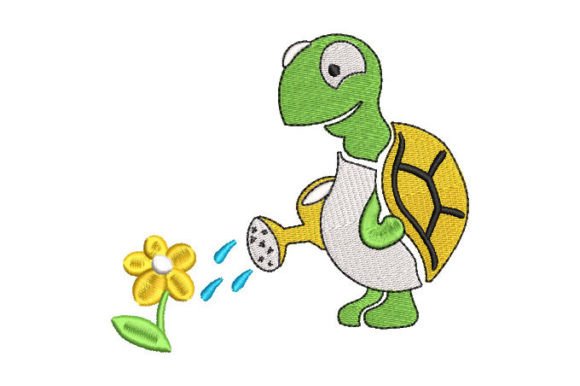
The first thing that stands out about the Turtle Watering Plant is its visual mood. It strikes a balance between whimsical and serene. The design features a turtle, likely surrounded by or interacting with plant elements, which gives it a strong "nursery decor" vibe. For designers specializing in the Reptiles category or general nature themes, this piece offers a softer, more decorative approach than typical rugged outdoor motifs.
In terms of detail level, the design appears to rely heavily on clean lines and distinct shapes. This is crucial for a successful digital embroidery file. If the details are too intricate, the final finished product can look muddy or lose definition, especially when stitched on smaller items like caps or patches. From what I can gather from the preview, the Turtle Watering Plant maintains enough clarity to remain recognizable even at moderate sizes. The artistic personality suggests it would work beautifully as a centerpiece on a tote bag or a focal point on a sweatshirt.
Project Suitability and Versatility
One of the strongest selling points of this design is its versatility across various handmade products. Because the motif combines an animal with plants, it transcends specific niches. It fits naturally into:
- Nursery Decor: Baby blankets and crib sheets often benefit from gentle, nature-themed imagery. A turtle watering plants is a charming narrative that appeals to new parents.
- Kitchen and Home: Kitchen towels and aprons frequently feature garden or cottage-core aesthetics. This design aligns perfectly with that trend, adding a touch of humor and warmth to kitchen textiles.
- Apparel: For custom apparel, such as hoodies or t-shirts, the design works well as a chest logo or a large back print. It is particularly effective for brands that focus on eco-friendly or nature-positive messaging.
- Accessories: Tote bags are perhaps the most obvious application. The sturdy canvas often used for totes provides a stable surface for the stitch density required by this type of design.
Furthermore, this design has strong potential for printable mockups. Sellers can easily visualize how the Turtle Watering Plant looks on different backgrounds, helping them create compelling listings without needing to physically produce every variation before launch.
Technical Performance in Real Embroidery Work
When considering any design assets for production, technical execution is paramount. While the product description notes that the design is "beautifully embroidered with any type of fabric," practical experience teaches us that fabric choice matters immensely.
Stitch Density and Detail
The success of a reptile and plant hybrid design often hinges on how the artist handles the transition between organic shapes. Plants require fluid fill stitch patterns, while turtles may need structured satin stitches for outlines or scales. If the stitch density is too high, the fabric may pucker; if it is too low, the design may lack opacity.
For this specific design, I recommend checking the stitch distribution carefully. Areas where the leaves overlap the turtle’s shell or limbs will be critical. Ensure that the thread colors chosen provide enough contrast between these overlapping elements. Using a light green for leaves against a dark green turtle might result in a loss of definition. Conversely, using contrasting thread colors for the background foliage can make the turtle pop.
Hoop Size and Stability
Before committing to mass production, confirm the hoop size requirements. If the design is large, it may require multi-hooping, which increases production time and the risk of alignment errors. For smaller applications, such as an embroidered patch or a cap front panel, verify that the smallest detail (such as a leaf vein or eye) remains legible. Tiny lettering, if present, should be scrutinized closely, as it is often the first element to become illegible after washing.
Fabric Considerations
The claim that it works with "any type of fabric" requires some nuance. While the design may technically stitch onto many materials, the finish quality varies:
- Stretchy Fabrics: For sweatshirts or leggings, use a tear-away or cut-away stabilizer to prevent distortion. The tension must be adjusted to accommodate the stretch.
- Textured Fabrics: Linen or burlap can hide minor imperfections but may struggle with fine details. Test on a scrap piece first.
- Dark Fabrics: If stitching on dark cotton, ensure your top thread colors are vibrant enough to stand out. White or pastel threads may get lost unless a heavy underlay is used.
Impact on Product Value and Branding
Using a high-quality embroidery file like the Turtle Watering Plant can significantly enhance buyer trust. In the world of online marketplaces, customers judge quality by the precision of the stitching. A clean, well-executed design signals professionalism.
This particular motif lends itself well to personalized gift markets. Imagine a baby shower gift featuring a turtle watering a plant, symbolizing growth and care. Such thematic resonance can drive higher conversion rates. Additionally, the design’s aesthetic supports brand consistency for businesses that want to project a calm, natural, and nurturing image.
From a photography standpoint, the design is visually engaging. The interplay of the turtle and the plant creates natural focal points that look excellent in flat-lay photos or on-model shots. This reduces the effort needed to stage product images, allowing sellers to focus on marketing rather than content creation.
Practical Tips for Implementation
To ensure the best results when using the Turtle Watering Plant, follow these practical steps:
- Test on Scrap Fabric: Never run a full production batch without a test stitch-out. Check for puckering, thread breaks, or misalignments.
- Review Stitch Density: Zoom in on the digital file to inspect dense areas. If possible, adjust the density in your embroidery software to suit your specific fabric weight.
- Use Proper Stabilizer: Match the stabilizer to the fabric. Cut-away stabilizers are generally safer for long-term durability, especially for items that will be washed frequently.
- Inspect Small Details: After stitching, examine small elements like eyes or tiny leaves. If they appear blobby, consider simplifying the design or reducing the hoop size.
- Confirm Licensing: Always check the Creative Fabrica product page for specific license terms regarding commercial use. Ensure you have the right to sell finished items made from this machine embroidery design.
Final Verdict
The Turtle Watering Plant is a charming addition to any embroidery designer’s library. Its blend of reptile and botanical themes offers a fresh take on popular nursery and home decor trends. While it requires careful attention to thread color contrast and stabilizer selection, its visual appeal makes it a strong candidate for custom apparel, tote bag designs, and kitchen towel projects.
For those seeking to diversify their offerings with unique, nature-inspired design assets, this file delivers both aesthetic value and commercial potential. It is a reliable choice for creating memorable handmade products that resonate with customers who appreciate artful, detailed embroidery.