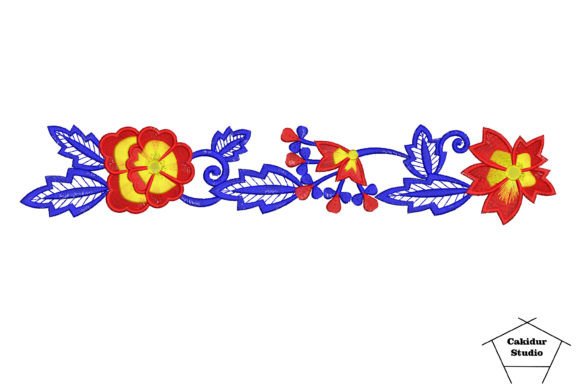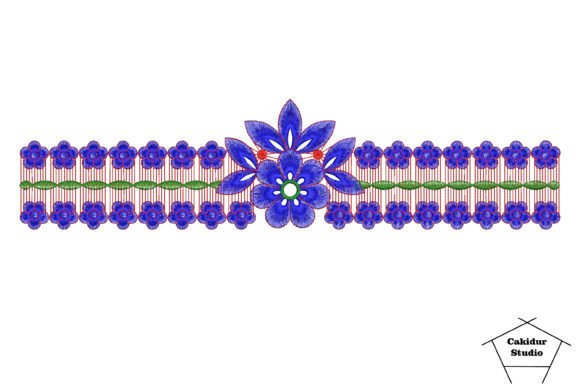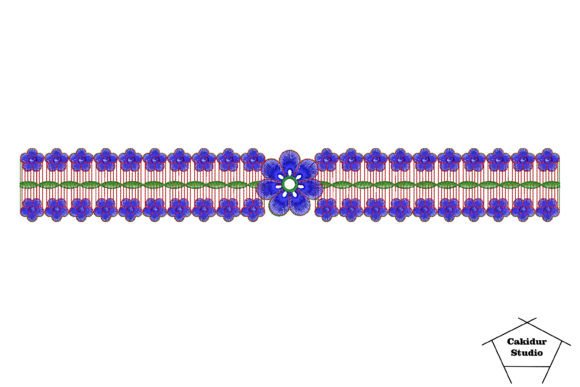
Tied Flower Border Review
As an embroidery designer who spends weekends setting up booths at craft fairs and managing an online handmade shop, I have learned one hard truth: customers buy with their eyes before they ever touch the product. The first three seconds of a customer walking past your table determine whether they stop, engage, or keep walking. This is why I am always critical when selecting machine embroidery design assets to turn into sellable goods. Today, I am reviewing the Tied Flower Border, a design that promises to add an adorable accent to any fabric project. But does it actually hold up under the harsh light of a vendor tent? Does it photograph well for Etsy listings? And most importantly, will it help you move inventory?
I recently tested this embroidery file on a variety of substrates commonly used by small business owners, from canvas tote bags to delicate tea towels. Here is my real-world assessment of how the Tied Flower Border performs as a commercial product.
First Impressions and Visual Appeal
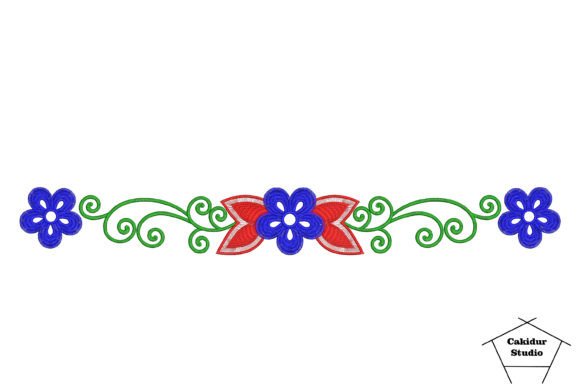
The title "Tied Flower Border" suggests a specific aesthetic: soft, romantic, and perhaps a bit rustic or farmhouse-chic. From a design perspective, borders are incredibly versatile because they frame other elements without overwhelming them. When I first hooped the design, the immediate impression was one of gentle elegance. It feels less like a bold graphic statement and more like a premium finish that elevates a simple garment or accessory.
For craft fair sellers, this distinction matters. A busy, chaotic design can look cluttered on a crowded booth table. In contrast, the Tied Flower Border offers clean lines and a cohesive flow that reads clearly even from a distance. It strikes a balance between decorative and minimal, making it appealing to a broad demographic. Whether you are targeting the modern minimalist buyer or the vintage-inspired crafter, this border provides a sophisticated touch that signals quality. It gives fabrics an extraordinary look by adding texture and visual interest along edges, which naturally draws the eye to the craftsmanship of the piece.
Product Versatility and Sales Potential
The true test of any digital embroidery file is its adaptability. I evaluated the Tied Flower Border across several high-demand categories to see where it would stand out.
Kitchen and Home Textiles
Tea towel embroidery remains a staple at handmade markets. The border format is perfect here, running neatly along the hem or cuff. On a crisp white or pastel linen towel, the flowers create a lovely focal point that doesn’t compete with the food photography often associated with these items. Similarly, for apron embroidery, placing the border along the bib or the waistband adds a custom feel that justifies a higher price point. Customers love seeing details that suggest the item was made with care, not mass-produced in a factory.
Fashion Accessories
A tote bag design featuring this border can be a bestseller. Imagine a sturdy canvas tote with the floral line stitched along the top edge or wrapping around the side seams. It transforms a basic utility item into a boutique-style accessory. For caps, the border can be adapted to curve along the brim or sit subtly on the panel, offering a unique twist on standard cap designs. However, curved surfaces require careful testing to ensure the flower shapes do not distort.
Gifts and Small Goods
Embroidered patch applications are another strong avenue. The Tied Flower Border can be digitized as a standalone motif for iron-on patches, which are popular for personalizing denim jackets, backpacks, and hats. Small pouches and pillow covers also benefit greatly from this design. The repetitive nature of a border allows for efficient batch production, meaning you can create multiple finished product units quickly while maintaining consistency.
Production Practicality and Booth Strategy
When preparing for a weekend craft fair, efficiency is key. You want designs that are easy to hoop, stable during stitching, and visually striking in person. The Tied Flower Border excels in repeatability. Because it is a linear element, it fits well within standard hoop sizes, reducing the need for complex re-hooping. This speed translates directly to profit margins.
From a marketing perspective, this design photographs beautifully. The soft curves and implied texture of the "tied" flowers catch the light well, creating depth in photos for your Etsy listings or social media ads. It works exceptionally well as part of a printable mockup strategy, allowing you to visualize the final product before committing to fabric. For digital sellers, this versatility means you can offer the same design asset across multiple niches, from home decor to apparel.
Critical Considerations for Quality Control
While the design has strong potential, there are practical constraints every embroiderer must manage. To ensure your small shop product looks professional, pay attention to the following:
- Stitch Density and Detail: Check the stitch density closely. If the flowers are too dense, the fabric may pucker, especially on lightweight materials. Conversely, if the details are too tiny, they may get lost in the thread work or become difficult to distinguish at smaller scales.
- Fabric Texture: The performance of this design varies significantly based on the substrate. Smooth cottons and linens will show the clearest definition. Heavily textured towels or nubby weaves might obscure the finer points of the flowers. Always test on scrap fabric that matches your final product material.
- Thread Contrast: Color choice is vital. On dark fabric, ensure the thread colors provide enough contrast to make the border pop. Low-contrast combinations can make the design look muddy or unfinished.
- Hoop Size and Stability: Confirm the recommended hoop size for the design. Using the wrong stabilizer—such as using cut-away on a stretchy knit versus tear-away on a woven—can lead to misalignment or distortion. Proper stabilization is non-negotiable for a clean finish.
Final Verdict for Craft Fair Sellers
The Tied Flower Border is a strong candidate for inclusion in your production lineup. It offers a blend of aesthetic charm and production efficiency that appeals to both the maker and the buyer. It enhances brand consistency by providing a recognizable, elegant signature style across different product types.
Before committing to large-scale production, I strongly advise creating at least one real mockup. Inspect the spacing, check the thread colors against your target fabric, and verify that the design retains its clarity. Also, remember to confirm commercial embroidery licensing terms if you plan to sell finished goods, ensuring your business remains protected.
By leveraging this design on high-visibility items like aprons, totes, and kitchen textiles, you can create a cohesive booth display that invites customers to linger. It is a subtle detail that speaks volumes about quality, making it a smart investment for any creative entrepreneur looking to elevate their handmade offerings.