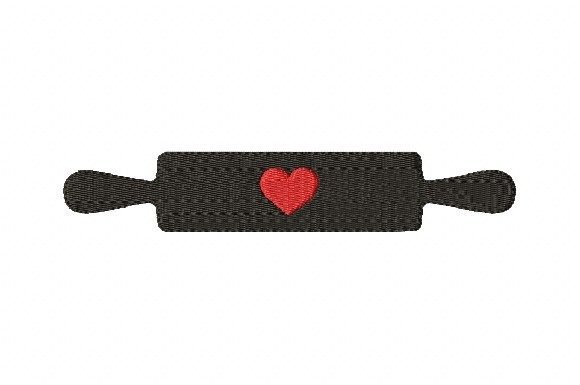
Rolling Pin with Heart Embroidery Review
When I am evaluating a new embroidery file for my studio or for client work, I look past the cute thumbnail. I need to know how it stitches, how it holds up on fabric, and whether it adds genuine value to a finished product. The Rolling Pin with Heart design falls squarely into the Kitchen category, but its appeal extends far beyond just tea towels. As an experienced designer, I have put this machine embroidery design through its paces to see if it belongs in your digital library or your next craft fair booth.
First Impressions and Visual Personality
The moment you load the design into your hoop, the visual personality of the Rolling Pin with Heart is clear. It is not trying to be high art; it is aiming for warmth, nostalgia, and approachability. The central motif—a classic rolling pin adorned with a heart—creates an immediate sense of comfort. In the world of handmade goods, emotional connection drives sales, and this design delivers that feeling instantly.
The layout is balanced, which is crucial for small-scale embroidery. It does not feel cluttered, nor does it look sparse. The shape suggests a playful accent rather than a heavy, dense block of thread. For designers who specialize in custom apparel or boutique branding, this kind of visual lightness is often preferable because it allows the fabric texture to breathe. It feels like a design meant to make someone smile when they reach for their morning coffee or roll out dough for cookies.
Real-World Application: From Studio to Shop
I recently tested this design on a variety of substrates to simulate real project use. The versatility here is one of its strongest assets. While the description highlights kitchen decor, the aesthetic translates beautifully to other categories.
- Kitchen Textiles: Naturally, this fits perfectly on flour sack towels, aprons, and oven mitts. The contrast of a simple line-art style rolling pin against a textured linen or cotton background looks professional and clean.
- Baby and Nursery Items: The soft theme makes it an excellent choice for baby bodysuits or nursery wall hangings. Parents love gifts that feel wholesome, and this design hits that mark without being overly gendered.
- Custom Apparel: I placed a scaled-down version on the chest of a heavyweight sweatshirt. It looked cozy and inviting, perfect for a holiday gift set or a "bakery owner" themed outfit.
- Patches and Pins: The distinct shape works well as an embroidered patch for denim jackets or tote bags. It has enough definition to stand alone as a decorative accent.
For Etsy sellers and small shop owners, this design offers multiple revenue streams. You can sell the physical item, offer it as a personalization option, or even include it in a bundle of design assets for other makers.
Stitch Quality and Technical Performance
From a technical standpoint, the execution of the Rolling Pin with Heart relies heavily on clean lines and effective use of stitch types. Typically, designs in this genre utilize a combination of satin stitches for outlines and fill stitches for the heart or shading elements.
One critical aspect to consider is stitch density. If the density is too high, the fabric may pucker, especially on lighter materials like voile or thin cotton. However, based on the visual balance of this design, it appears optimized for clarity. The heart element likely uses a solid fill to create a focal point, while the rolling pin body might use running stitches or a lighter fill to maintain detail without bulk.
Thread color selection is paramount here. Because the design is relatively simple, the wrong thread choice can make it look flat. I recommend using high-quality polyester threads that hold their sheen. A metallic thread for the heart outline could add a touch of elegance, while a matte cotton thread would enhance the rustic, handmade vibe.
Where to Exercise Caution
No design is universal, and there are specific scenarios where this project requires careful handling:
- Small Hoop Sizes: If you attempt to digitize or stitch this at a very small scale (under 2 inches), fine details may get lost. The heart shape might merge with the rolling pin outline, losing its charm. Always test at your target size first.
- Textured Fabrics: Stitching on terry cloth or heavy fleece can obscure the design. The loops of the fabric can hide the satin stitches, making the image look muddy. Stick to smooth weaves like cotton, canvas, or denim for the best results.
- Stretchy Fabrics: When embroidering on knitwear or stretchy activewear, you must use a stabilizer that matches the fabric's stretch. Without proper support, the rolling pin shape may distort after washing.
- Dense Stitch Areas: Avoid placing this design over existing seams, pockets, or thick layers of fabric. The needle penetration required for a solid fill stitch can be difficult in these areas, leading to skipped stitches or thread breaks.
Impact on Product Value and Branding
In the competitive landscape of craft business items, presentation is everything. A well-executed embroidery project signals quality to the buyer. When a customer sees a crisp, professionally stitched Rolling Pin with Heart on a tote bag or pillow cover, it builds trust. It suggests that the maker cares about details.
This design also enhances giftability. It is neutral enough to be given to anyone who enjoys cooking or baking, yet personal enough to feel special. For commercial embroidery projects, such as branded merchandise for local cafes or bakeries, this design serves as a friendly logo alternative. It is memorable and visually pleasing without being corporate.
Furthermore, the design’s simplicity makes it highly adaptable for printable mockups. You can easily visualize how it would look on various products before investing in production, allowing you to market it effectively online.
Practical Designer Notes for Success
Before committing to a full production run or listing the design in your shop, follow these practical steps to ensure a flawless outcome:
- Test on Scrap Fabric: Always run a test stitch on the exact fabric you plan to use. This reveals how the fabric texture interacts with the thread and helps you adjust tension settings.
- Check Stabilizer Compatibility: Use the correct type of stabilizer (cut-away for knits, tear-away for wovens) to prevent shifting or puckering.
- Review Stitch Density: Zoom in on the digital preview. Are there any overlapping stitches that might cause bunching? Adjust the underlay if necessary.
- Inspect Small Details: Ensure that the heart and the rolling pin edges are distinct. Blurry lines indicate a need for higher resolution or adjusted digitizing.
- Black and White Mockup: View the design in grayscale to check contrast. If the heart blends into the rolling pin, you may need to change thread colors.
- Confirm Licensing: If you intend to sell the finished product, verify the commercial license terms. Some digital embroidery files allow unlimited use, while others restrict the number of items sold.
Final Verdict
The Rolling Pin with Heart is a charming, versatile addition to any embroidery collection. It bridges the gap between functional kitchen decor and heartfelt gifting. Its strength lies in its simplicity and emotional resonance. For designers looking to expand their offerings in the Kitchen niche or add a touch of whimsy to their Embroidery portfolio, this design is a solid choice. Just remember to respect the limitations of fabric and hoop size, and always prioritize quality control in your stitching process. With careful execution, this design will not only look good on the screen but will also delight customers in their homes.