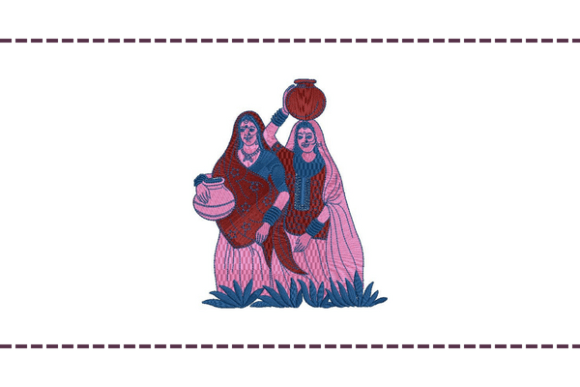
Panihari Embroidery Design Review for Personalized Gifts
As an experienced embroidery designer, I spend countless hours evaluating digital files before they ever reach a customer’s machine. The difference between a good design and a personalized gift that truly resonates often comes down to subtle details: mood, stitch density, and versatility. Recently, I tested the Panihari design with one goal in mind: determining its viability for high-end handmade products. This review is based on real-world planning for a boutique gift shop, focusing on how this piece performs when transformed into tangible items like baby blankets, wedding keepsakes, and nursery decor.
First Impressions: Mood and Emotional Appeal
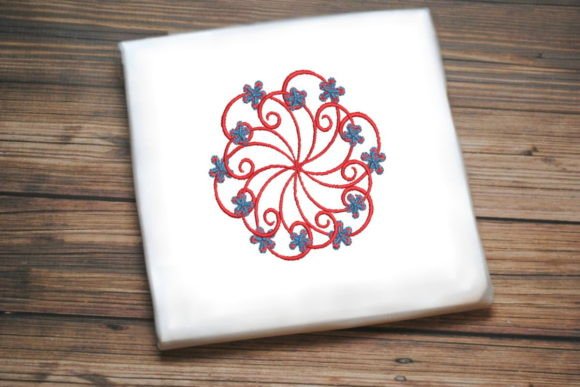
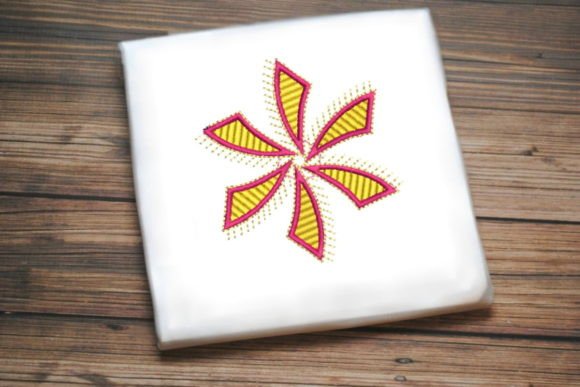
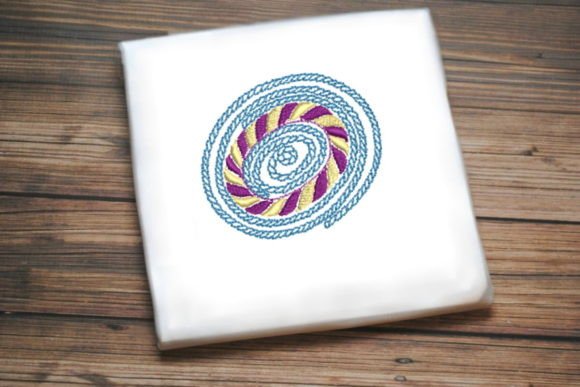
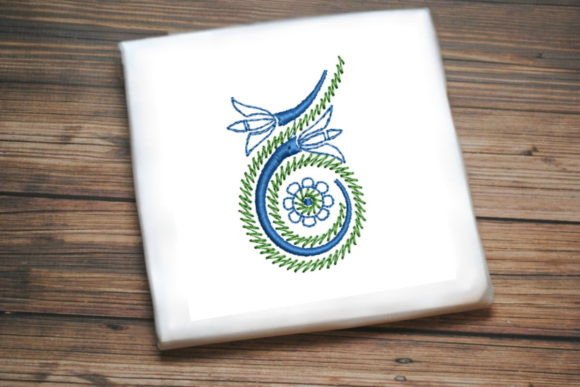
When Panihari first stitched out, the immediate feeling was one of cozy warmth. It does not scream for attention with loud graphics; instead, it offers a quiet, artistic charm that feels both classic and modern. For a machine embroidery design, capturing that "handmade" aesthetic is difficult, but Panihari succeeds by balancing intricate detail with open space. It feels sweet without being overly childish, making it surprisingly versatile across different age groups and occasions.
The emotional appeal lies in its softness. Whether used on a delicate crib sheet or a sturdy kitchen towel, the design adds a layer of care and intentionality. For Etsy sellers and small business owners, this is crucial. Buyers are not just purchasing fabric; they are purchasing the feeling of comfort and love that the embroidery conveys. Panihari delivers that sentiment effectively, making it an excellent candidate for custom orders where the emotional connection is the primary selling point.
Versatility in Product Applications
One of the strongest assets of Panihari is its adaptability. In my testing, I explored several potential product lines to see where this embroidery file would shine.
- Baby Embroidery: The design’s gentle curves and lack of aggressive angles make it ideal for blanket embroidery and nursery items. It pairs beautifully with pastel thread colors, creating a soothing atmosphere for a baby’s room.
- Wedding Gifts: For wedding gift designers, Panihari works well on pillow covers and guest book albums. Its elegant simplicity allows for monogramming or date integration without cluttering the aesthetic.
- Home Decor: On decorative pillows and bedsheets, the design adds texture and depth. It transforms plain linens into statement pieces that justify a higher price point.
- Functional Items: I also tested it on aprons and embroidered towels. While functional, these items become cherished keepsakes when adorned with such a thoughtful design. It elevates everyday objects into memorable gifts.
- Fashion Accessories: Tote bags and clothing items benefit from the design’s balanced scale. It is detailed enough to look professional but not so dense that it becomes stiff or uncomfortable to wear.
Ideal Customer Profiles
Who is the buyer for a product featuring Panihari? Typically, it is the mother-to-be seeking a unique nursery decoration, the bride looking for personalized favors, or the homebody who values artisanal quality in their daily routine. These customers appreciate the handmade product narrative. They want to know that someone carefully selected the stitches and planned the placement. Panihari supports this story by appearing meticulously crafted yet naturally charming.
Strategic Considerations and Limitations
No design is perfect for every application. As a professional, I must highlight areas where Panihari requires careful handling to maintain quality and customer trust.
Fabric and Texture Constraints
The design relies on clear definition to convey its artistic feel. Therefore, it should be used carefully on highly textured fabrics like heavy waffle-weave towels or nubby knits. The stitches may get lost in the weave, reducing the perceived value of the finished product. Similarly, stretchy baby clothes can distort the design if not hooped perfectly. Always test on scrap fabric first to ensure the stabilizer provides enough support without puckering.
Detail and Scale
While Panihari is detailed, it is not infinitely scalable. Small lettering or very fine lines within the design may not hold up well after multiple washes, especially on items like embroidered towels that undergo frequent laundering. If you plan to add names or dates, ensure the font size is large enough to remain legible. Avoid placing the design on curved surfaces where distortion is likely, unless you have advanced digitizing skills to compensate for the curvature.
Color Contrast
Thread color contrast is paramount. On dark fabric, lighter threads may require an underlay or additional passes to appear vibrant, which increases stitching time and cost. Conversely, on white fabric, dark threads might create too harsh a shadow effect. I recommend comparing light and dark fabric mockups to find the perfect balance. This step is essential for maintaining a high-quality printable mockup for your online store.
Impact on Giftability and Perceived Value
In the world of commercial embroidery, presentation is everything. A well-executed Panihari design significantly boosts perceived value. When a customer sees the precision of the stitches and the harmony of the composition, they perceive the item as premium. This directly influences customer trust and willingness to pay. For digital product sellers offering templates or guides, showcasing Panihari on high-quality finished products can drive engagement and sales.
The design’s artistic nature also aids in product photography. It photographs beautifully under natural light, highlighting the texture of the thread and the fabric. This visual appeal is critical for social media marketing and Etsy listings, where images are the primary driver of clicks.
Practical Embroidery Notes for Makers
Before committing to production runs, follow these practical steps to ensure success:
- Test on Scrap Fabric: Never run a new design directly onto your final product. Use scraps of the exact fabric you plan to sell to check for tension issues and stability.
- Check Thread Color Contrast: Verify that your chosen thread colors pop against the fabric. Low contrast can make the design look muddy or unfinished.
- Confirm Hoop Size: Ensure your hoop accommodates the full design area plus any necessary margins. Running out of hoop space mid-design is a common pitfall.
- Review Stitch Density: High density can make fabric stiff. For items like pillow covers or clothing, moderate density ensures comfort while maintaining detail.
- Use Proper Stabilizer: The right stabilizer prevents shifting and puckering. Cut-away stabilizers are generally best for woven fabrics, while tear-away may suffice for stable knits.
- Inspect Small Details: After stitching, zoom in on the smallest elements. If they are blurry or merged, the design may need adjustment or a larger scale.
- Verify Commercial Licensing: Always confirm your commercial licensing rights before selling finished products. Using a design without proper permission can lead to legal issues.
Final Thoughts
Panihari is a strong addition to any embroiderer’s library, particularly for those focused on personalized gifts and home decor. Its cozy, artistic vibe appeals to a broad audience, from new parents to wedding planners. By paying attention to fabric choice, stabilization, and presentation, makers can leverage this design to create high-value, emotionally resonant products. Remember to check specific technical details like stitch count and file format before use, as these factors will determine the smoothest workflow. With careful execution, Panihari can help elevate your small shop product line and build a loyal customer base.