Old English Font STU Review for Embroidery Projects
As an embroidery designer who spends countless hours testing fonts on everything from stretchy cotton blends to dense canvas, I am always looking for typefaces that hold their structure without losing character. When I first came across Old English Font STU on Creative Fabrica, it immediately caught my eye. The name alone suggests a classic, perhaps even vintage aesthetic, which is a timeless choice for handmade goods. But does it perform well in the hoop? Can it handle the rigors of commercial production, or is it better suited for delicate, one-off gifts? After evaluating this embroidery file for potential use in real customer orders, here is my honest breakdown.
First Impressions and Visual Mood
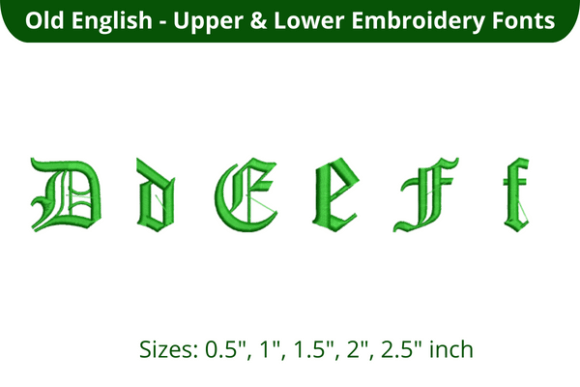
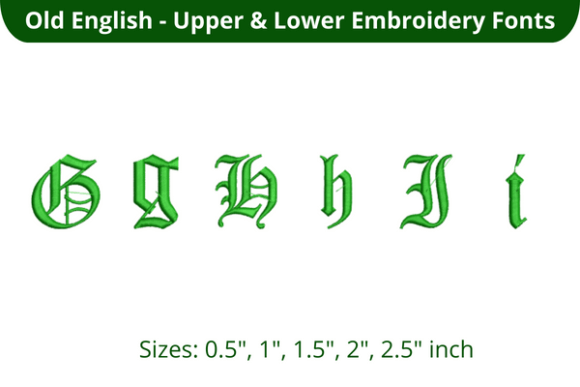
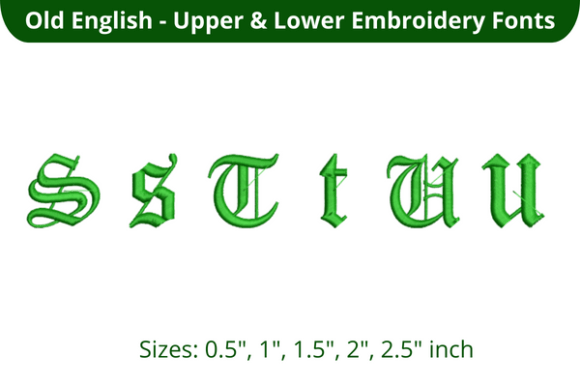
The visual mood of Old English Font STU is bold, traditional, and highly decorative. It carries the weight of heritage typography, reminiscent of old newspapers, craft brewery labels, or classic collegiate lettering. For a machine embroidery design, this font offers a distinct personality. It isn’t just text; it is a statement piece. The thick strokes and intricate details give it a strong presence, making it ideal for projects where you want the lettering to be the focal point rather than a subtle accent.
From a design perspective, this font naturally fits into categories that value tradition and craftsmanship. It feels at home on heavy fabrics like denim, canvas, or fleece. The high contrast between the thick and thin lines (if rendered in satin stitch) can create a beautiful interplay of light and shadow, adding depth to the finished product. However, this complexity also demands careful consideration regarding stitch density and fabric choice.
Real-World Application: Where Does It Shine?
I have been considering using Old English Font STU for several upcoming projects, and I see its versatility extending beyond simple monograms. Here is how I envision it performing in various handmade product categories:
- Custom Apparel and Sweatshirts: This font screams "vintage streetwear." Imagine a crewneck sweatshirt with a chest pocket embroidered with a student’s name in Old English Font STU. The boldness of the letters would pop against heather grey or navy fabric, creating a look that appeals to both students and adults nostalgic for retro styles. It works exceptionally well for sweatshirt embroidery where durability and style are paramount.
- Tote Bags and Market Totes: A canvas tote bag personalized with names or short quotes in this font adds a touch of sophistication. Because Old English styles can sometimes feel formal, pairing them with casual materials like jute or heavy cotton creates an interesting juxtaposition. This is perfect for tote bag design projects targeting gift buyers or promotional clients.
- Baby Items and Nursery Decor: While often associated with rugged aesthetics, this font can work beautifully on baby blankets or pillow covers if used sparingly. A single initial or a child’s name in Old English Font STU can add a sense of permanence and tradition to nursery decor. Just ensure the size is appropriate so the details remain legible and soft to the touch.
- Kitchen Towels and Aprons: For the culinary enthusiast, a kitchen towel featuring a family name or a favorite quote in this font adds a farmhouse-chic vibe. It pairs well with rustic themes and makes for a thoughtful personalized gift for housewarmings or weddings.
- Embroidered Patches and Caps: The structured nature of Old English lettering translates well to patches. Whether applied to a baseball cap, a denim jacket, or a backpack, the font holds its shape well. It is particularly effective for embroidered patch designs where clarity from a distance is essential.
Practical Considerations for Production
While the aesthetic appeal is high, there are practical challenges to consider when digitizing and stitching Old English Font STU. As a professional, I always test before committing to a full production run.
Hoop Size and Detail Resolution
This font contains intricate details that may not render well in very small hoop sizes. If you attempt to embroider tiny lettering, the fine points of the letters may become lost or merge together, resulting in a muddy appearance. I recommend using a minimum hoop size that allows for adequate spacing between characters. Always check the hoop size requirements and ensure your design software can handle the complexity at your desired scale.
Stitch Density and Fabric Choice
Old English fonts often require dense stitching to maintain their sharp edges. On stretchy fabrics like jersey or lightweight knits, this density can cause puckering unless a proper stabilizer is used. Cut-away stabilizers are generally recommended for such designs to provide long-term support, especially for items that will be washed frequently. Conversely, on stable fabrics like cotton twill or denim, the font should stitch out cleanly with minimal distortion.
Thread Color Contrast
The effectiveness of this font relies heavily on contrast. On dark fabrics, light-colored threads will make the intricate details stand out, but you must ensure the thread coverage is sufficient to avoid showing the base fabric through the stitches. On light fabrics, darker threads provide a classic look. I advise comparing light and dark fabric mockups to determine which combination best highlights the font’s character.
Testing and Quality Control
Before fulfilling any customer order, always test stitch on scrap fabric. Inspect the small details after stitching to ensure no threads are breaking or clumping. Check the stitch density to confirm it matches the fabric weight. If the design feels too stiff or bulky, consider adjusting the underlay stitches or reducing the density slightly, provided it doesn’t compromise legibility.
Impact on Product Value and Branding
Using a distinctive font like Old English Font STU can significantly enhance the perceived value of your products. In the world of Etsy listings and craft fair products, unique design assets help your brand stand out. Customers associate high-quality, detailed embroidery with premium craftsmanship. When they receive a finished product with crisp, well-executed lettering, it builds trust and encourages repeat business.
Furthermore, this font lends itself well to seasonal collections. For Back To School merchandise, it evokes a sense of academic tradition. For holiday gifts, it adds a touch of nostalgia. By incorporating this font into your commercial embroidery offerings, you tap into emotional connections that drive sales. It also simplifies product photography; the bold lettering creates strong visual anchors in images, making your photos more engaging on social media platforms.
Final Verdict
Old English Font STU is a versatile and visually striking addition to any embroidery designer’s library. It excels in projects that benefit from a bold, traditional aesthetic, from custom apparel to personalized gifts. However, success depends on careful execution—choosing the right fabric, stabilizer, and hoop size is crucial.
I recommend downloading this digital embroidery file from Creative Fabrica and experimenting with different thread colors and fabric types. Create some printable mockups to visualize the final result before stitching. And remember to review the specific licensing terms on the product page to ensure compliance if you plan to sell the finished items commercially. With the right approach, this font can elevate your handmade creations and help you connect with customers who appreciate quality and detail.