MomLife Embroidery Design Review
As an experienced embroidery designer, I spend my days evaluating digital files not just for their aesthetic appeal, but for their viability in commercial production. When a client brings me a design file titled MomLife, my first question is never about the font choice alone; it is about brand application. This review focuses on how this specific embroidery asset performs when translated from a digital screen to physical merchandise for small businesses, boutiques, and handmade brands.
First Impressions: Visual Personality and Professionalism
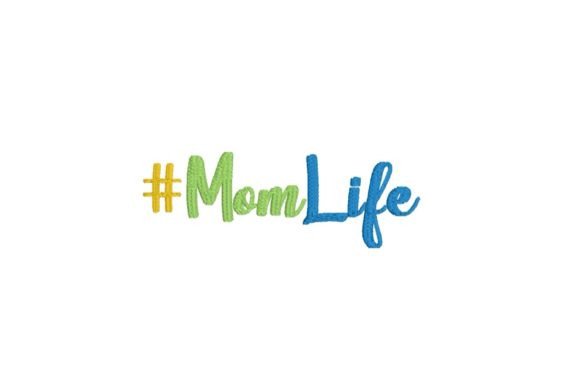
The title "MomLife" immediately signals a target audience that values relatability, warmth, and perhaps a touch of humor or realism. From a design perspective, this suggests a visual personality that is likely playful yet elegant. It feels friendly rather than corporate, which makes it an excellent candidate for brand identity work in the lifestyle, parenting, or boutique sectors.
When reviewing any machine embroidery design, I look for balance. Does the text feel heavy? Is the spacing even? A design like MomLife needs to strike a delicate balance between being bold enough to be read quickly and refined enough to command a premium price point. If executed well, it avoids looking cheap or overly decorative. Instead, it should feel like a handmade product that has been thoughtfully curated. The description notes that it is "cool," which implies a modern twist on traditional motherhood themes. This modernity is crucial for small business merch that aims to appeal to contemporary consumers who want authenticity over cliché.
Real-World Business Applications
The true test of an embroidery file is its versatility across different product types. For a small café, boutique, or creative studio, the MomLife design offers several high-value applications:
- Embroidered Patches: One of the most profitable uses of this design is as a detachable patch. These can be sold as standalone accessories or attached to denim jackets, tote bags, and backpacks. Patches allow customers to customize their own gear, increasing engagement and perceived value.
- Staff Uniforms and Aprons: For bakeries, florists, or local retail shops, placing a subtle MomLife logo on the chest of an apron or a work shirt creates a cohesive team look. It humanizes the brand, making staff appear approachable and part of a community-focused business.
- Caps and Headwear: Cap embroidery is a staple in commercial embroidery. The compact nature of the MomLife text allows it to fit well on the front panel of structured caps or slouchy beanies, serving as a perfect gift item or promotional tool.
- Tote Bag Design: Canvas tote bags are ubiquitous in the handmade market. Stitching this design onto a natural cotton canvas provides a rustic, earthy contrast that enhances the brand identity of eco-conscious or artisanal brands.
- Product Packaging Accents: Beyond apparel, this design can be stitched onto hang tags, garment bags, or fabric labels. Adding a tactile element to packaging elevates the unboxing experience, fostering customer trust and recognition.
Strategic Brand Positioning
Using the MomLife design strategically affects more than just sales; it influences customer perception. A well-executed embroidered detail signals quality. When a customer sees precise stitching, they assume the entire business operates with that same level of care. This design, when used correctly, positions a brand as one that understands its niche. It speaks directly to new moms, busy parents, and those who appreciate the chaos and beauty of family life. By integrating this into your design assets, you are not just selling a product; you are selling an identity that resonates emotionally with your buyer base.
Technical Considerations and Risk Management
Not every design translates perfectly to every surface. As a designer, I must highlight areas where caution is required. The success of the MomLife embroidery depends heavily on execution details:
- Small Patch Sizes: If scaling down the design for tiny patches or cap fronts, legibility becomes a challenge. Fine details may merge together, resulting in a muddy appearance. Always ensure the lettering remains distinct at the intended final size.
- Curved Surfaces: Embroidering on curved items like caps or sleeves requires specialized hoops and techniques. Distortion can occur if the fabric tension is not managed correctly, potentially warping the text.
- High Stitch Density: Designs with dense fills can become stiff and uncomfortable, especially on lightweight fabrics like thin t-shirts or delicate blends. Check the stitch density to ensure the finished product retains its drape and comfort.
- Fabric Texture and Color: Dark uniforms or textured fabrics like thick wool can obscure fine thread colors. Ensure there is sufficient contrast between the thread colors and the base fabric. Light threads on dark backgrounds require underlay stitches to prevent the fabric from showing through.
- Wash Durability: Items that undergo frequent washing, such as baby clothes or work aprons, need robust construction. Poorly anchored designs may unravel. Confirm that the design includes adequate anchoring stitches and that the chosen materials are colorfast.
Practical Designer Notes for Production
Before committing to a large production run, follow these essential steps to ensure quality control:
- Test in Black and White: Convert the design to grayscale to check contrast and spacing without the distraction of color. This helps identify any awkward gaps or overcrowding.
- Review Thread Color Contrast: Select thread colors that complement the brand palette while ensuring readability. Avoid low-contrast combinations that fade into the background.
- Inspect Spacing and Alignment: Zoom in on the digital file to check kerning and alignment. Uneven spacing can make a professional design look amateurish.
- Confirm Hoop Size: Verify that the design dimensions fit within standard hoop sizes to avoid unnecessary trimming or re-hooping, which increases labor costs.
- Test on Real Fabric: Digital mockups can be deceiving. Always stitch a sample on the actual fabric you plan to use. Observe how the material behaves under the needle and how the stabilizer interacts with the textile.
- Use Proper Stabilizer: Choose a stabilizer weight appropriate for the fabric. Lightweight fabrics need tear-away or cut-away stabilizers to prevent puckering, while heavier fabrics may require less support.
- Create a Printable Mockup: Before producing inventory, create a high-quality printable mockup for client approval or marketing purposes. This allows stakeholders to visualize the final product on various garments.
- Compare Against Other Assets: Place the MomLife design alongside other design assets in your collection to ensure visual consistency across your product line.
- Confirm Commercial Licensing: Most importantly, verify that you have the right to use this digital embroidery file for commercial purposes. Unauthorized use can lead to legal issues and damage your reputation.
Final Verdict
The MomLife embroidery design holds significant potential for small business owners looking to expand their custom apparel offerings. Its relatable theme and versatile application make it a strong contender for branded merchandise, gifts, and uniform accents. However, its success hinges on technical precision. By paying close attention to stitch density, fabric choice, and production quality, you can transform this simple text into a powerful tool for building brand identity and driving customer engagement. Remember, in the world of handmade products, the details define the value. Treat every stitch as an opportunity to reinforce your brand’s commitment to quality.