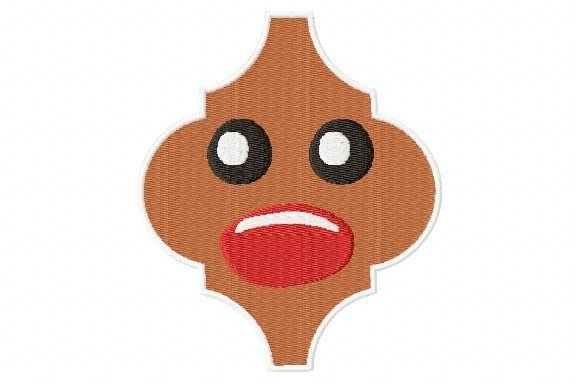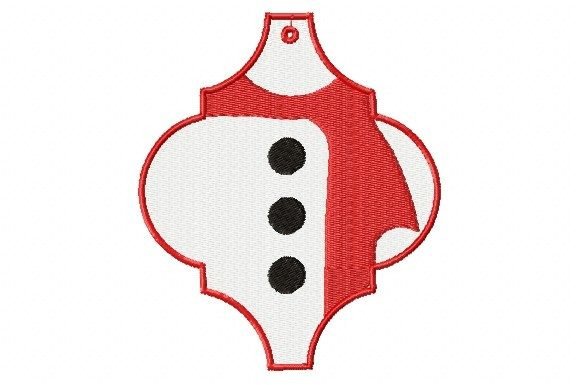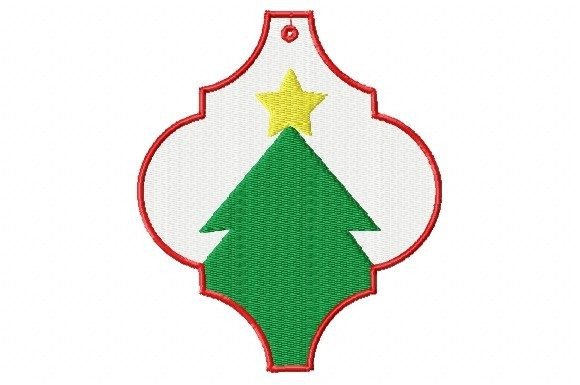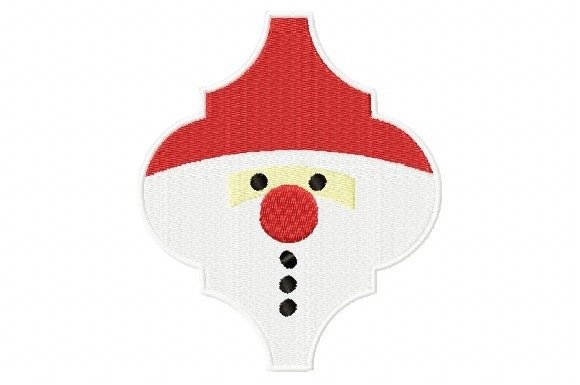
Gingerbread Man Key Fob Arabesque Review
As an embroidery designer who has spent years translating digital concepts into tangible brand assets, I approach every new design file with a critical eye. We are not just looking for something "cute"; we are evaluating potential for commercial embroidery, durability, and brand alignment. Today, I am reviewing the Gingerbread Man Key Fob Arabesque. While the title suggests a specific functional item—a key fob—the description hints at its versatility as an ornament or accent piece. For small business owners, Etsy sellers, and apparel decorators, understanding how this machine embroidery design translates from screen to fabric is crucial before committing to production.
First Impressions: Playful Meets Premium
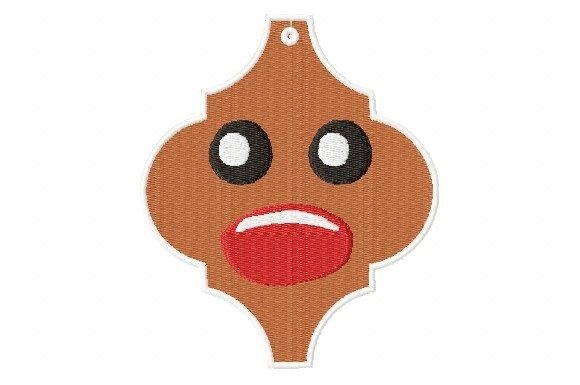
The moment you load the embroidery file into your digitizing software, the visual personality of the Gingerbread Man Key Fob Arabesque becomes clear. The term "Arabesque" in the title suggests intricate, flowing patterns that elevate the standard gingerbread motif. Instead of a simple, blocky cookie shape, we can expect decorative flourishes, perhaps lace-like detailing on the icing or ornamental borders that frame the figure. This adds a layer of sophistication that is often missing in generic holiday designs.
For a boutique bakery, a handmade candle shop, or a creative studio, this design strikes the right balance between festive cheer and professional polish. It feels friendly and playful, yet the arabesque elements lend it a rustic elegance. When placed on a custom apparel item like a chef’s coat or a retail staff uniform, it signals attention to detail. It tells the customer that the brand cares about aesthetics beyond the basics. However, designers must remember that complexity requires precision. The interplay of negative space and dense stitching will define whether this reads as a premium handmade product or a cluttered mess.
Real-World Applications for Small Business Merch
Where does this design truly shine in a business context? The Gingerbread Man Key Fob Arabesque is versatile enough to serve multiple roles in your small business merch lineup. Here is how I see it performing across different categories:
- Embroidered Patches: This is likely the strongest use case. The self-contained nature of the gingerbread figure makes it ideal for iron-on or sew-on patches. These can be applied to denim jackets, tote bags, or client appreciation gifts. The arabesque details hold up well when scaled slightly larger, allowing the intricate stitches to breathe.
- Apron Embroidery: For coffee shops, bakeries, or florists, a subtle gingerbread accent on the chest pocket or lower hem adds character without overwhelming the garment. It creates a warm, inviting atmosphere for customers.
- Cap Embroidery: Placed on the front panel of a structured cap, this design works as a standout logo. The curved surface of a cap can distort fine lines, so testing the digitization on actual foam-backed hats is essential to ensure the arabesque curves remain crisp.
- Tote Bag Design: A single embroidered gingerbread man on a canvas tote bag elevates a standard promotional item into a desirable fashion accessory. Customers are more likely to reuse high-quality branded totes, extending your brand visibility.
- Product Packaging Accents: Use this design to embroider tags attached to gift boxes, candles, or baked goods. It adds a tactile element to unboxing experiences, reinforcing the brand identity through texture and craftsmanship.
Visual Consistency and Brand Trust
In the world of digital embroidery file acquisition, consistency is key. If your brand uses clean, modern lines elsewhere, a overly ornate arabesque design might clash. Conversely, if your brand leans into vintage, whimsical, or artisanal themes, this design reinforces those values. A well-executed embroidered patch builds customer trust by demonstrating quality. It shows that you invest in durable, long-lasting branding rather than cheap prints that fade after one wash. This perceived value directly impacts buyer engagement and repeat purchases.
Strategic Placement and Cautionary Notes
While the design is charming, it is not without technical challenges. As a designer, I urge you to consider where this design asset should be used carefully. The arabesque elements introduce fine details that may get lost if the final output is too small.
- Small Patch Sizes: If you plan to produce patches smaller than 2 inches, the intricate lines may merge together, creating a muddy appearance. Always review the spacing between stitches to ensure legibility at your target scale.
- Curved Surfaces: On items like beanies or fitted caps, flat digitization can pucker. The arabesque curves need to be adjusted to follow the garment’s contour, which requires advanced digitizing skills or specialized software adjustments.
- Dark Uniforms: Gingerbread motifs typically rely on warm browns and bright icing colors. On dark fabrics, these colors may appear dull unless underlay stitches are properly configured to provide contrast. Test thread color contrast thoroughly before bulk production.
- Frequent Washing: For staff uniforms that undergo industrial laundering, high stitch density can lead to stiffness or tearing over time. Ensure the design uses appropriate stabilizer support to maintain flexibility and durability.
Practical Designer Notes for Production
Before you add this to your catalog, follow these practical steps to ensure a successful finished product:
Test in Black and White First: Convert the design to monochrome to check the balance of light and dark areas. This helps identify if the arabesque details are too heavy or too sparse.
Check Hoop Size and Stability: Confirm the recommended hoop size for the file. If the design exceeds standard hoops, it may require multi-hoop digitizing, which increases production time and cost. Always use a proper stabilizer matched to your fabric type—cut-away for knits and tear-away for wovens—to prevent shifting.
Create a Printable Mockup: Before committing to physical samples, generate a printable mockup showing the design on various products (aprons, hats, bags). This allows for client approval and helps visualize the thread colors in context.
Inspect Stitch Density: High-density fills can cause puckering on lightweight fabrics. If the design is intended for delicate materials, request a lighter fill or satin stitch variation from the digitizer.
Confirm Commercial Licensing: Most importantly, verify the licensing terms. Ensure you have the right to sell finished goods featuring this embroidery design. Many digital files are for personal use only, and violating these terms can lead to legal issues for your business.
Final Verdict
The Gingerbread Man Key Fob Arabesque is a strong candidate for brands seeking to inject personality and warmth into their merchandise. Its blend of classic holiday imagery with elegant decorative elements makes it suitable for a wide range of applications, from staff uniforms to customer gifts. By paying close attention to stitch density, fabric choice, and placement, small business owners can leverage this design to enhance their brand identity and create memorable, high-quality products. Just remember to test rigorously and respect commercial rights. When done right, this design will not just decorate; it will sell.