Flapping Brown Flowers Review
As a designer who spends half my life staring at digitized files and the other half troubleshooting stitch errors on the machine, I don’t just look for "pretty" when I evaluate an embroidery design. I look for viability. Will it stitch cleanly? Will it hold up after washing? Does it add perceived value to the final product? When I first pulled up the file for Flapping Brown Flowers, my initial instinct was skepticism. Brown is often treated as a neutral background color in embroidery, but when executed with the right texture and movement, it can be incredibly sophisticated. This machine embroidery design claims to make designs look "out of this world," which is a bold claim for a floral motif, so I decided to put it through its paces in a real-world scenario.
The First Impression: Mood and Visual Personality
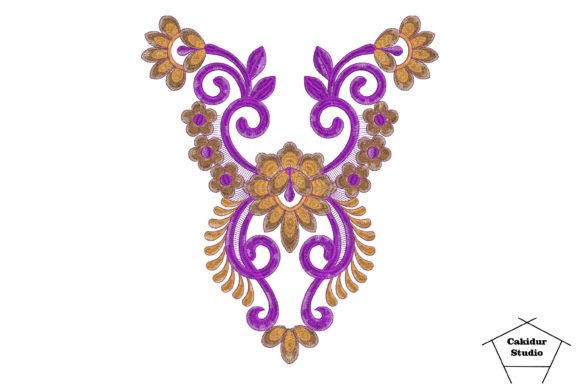
The name "Flapping Brown Flowers" suggests motion, which is exactly what you want to see in a static medium like embroidery. Unlike stiff, geometric blooms, this Bouquets-style design implies a natural, wind-swept aesthetic. The visual personality here is earthy, grounded, and slightly rustic. It doesn’t scream for attention with neon threads; instead, it whispers quality through subtle tonal variations and organic shapes.
In terms of layout, the design feels balanced without being symmetrical, which gives it a handmade charm that resonates well with today’s market. For crafters and Etsy sellers, this distinction is crucial. Consumers are increasingly drawn to items that feel artisanal rather than mass-produced. The "flapping" aspect likely relies on directional stitching or varied fill patterns to create depth, making the flowers appear as though they are caught in a gentle breeze. This adds a layer of sophistication that elevates the piece from a simple decorative accent to a statement detail.
Real-World Application: The Custom Tote Bag Scenario
To truly test this embroidery file, I imagined applying it to a custom canvas tote bag—a staple item for any small business owner or craft fair vendor. Canvas is a textured fabric that can be unforgiving to delicate stitches, so the design’s performance here would be the ultimate litmus test.
Placing Flapping Brown Flowers on a natural beige or deep olive canvas creates a monochromatic yet rich look. The brown tones would blend seamlessly with the fabric while still standing out due to the stitch definition. If I were creating a handmade product for a boutique brand, this design would work beautifully as a central chest logo or a larger back print. It avoids the cliché of bright pink roses, offering a more mature, versatile aesthetic that appeals to a wider demographic, including adults looking for personalized gifts or everyday carry essentials.
Furthermore, consider the apparel decorator angle. Imagine this design on a heavyweight sweatshirt in charcoal gray. The brown flowers would provide a warm contrast against the cool tone, creating a cozy, autumnal vibe perfect for seasonal collections. It’s the kind of sweatshirt embroidery that customers keep wearing because it feels unique, not generic. The design’s ability to adapt to different fabrics makes it a valuable asset for anyone producing commercial embroidery items.
Performance on Different Textiles
While canvas is a strong candidate, the versatility of this design extends to other textiles. On a soft cotton baby onesie, the brown tones could evoke a woodland creature theme, pairing nicely with greens or creams. For apron designs in a home goods shop, this floral motif adds a touch of elegance to kitchen wear. However, the success on these items depends heavily on thread selection. You must choose threads that offer enough contrast against the base fabric. If the fabric is dark, using black or very dark brown threads might cause the details to disappear, whereas a lighter tan or rust-colored thread would pop beautifully.
Technical Considerations and Stitch Clarity
No matter how beautiful a design looks on screen, its true worth is determined by how it stitches. With Flapping Brown Flowers, the primary concern is stitch density and detail resolution. Floral designs often contain small leaves, petals, and centers that can become muddy if the stitch density is too high or the hoop size is too small.
- Hoop Size: Ensure your machine’s hoop accommodates the full spread of the "flapping" elements. Cropping a dynamic design ruins its impact.
- Stabilizer: Because this design likely involves fill stitches to create the flower bodies, a cut-away stabilizer is recommended to prevent puckering, especially on knits or stretchy fabrics.
- Thread Colors: Don’t rely on a single shade of brown. Using a gradient of two or three thread colors can enhance the 3D effect of the petals, mimicking the natural shading of real flowers.
If the design utilizes satin stitches for outlines, check that the underlay is sufficient to anchor the threads. Poor underlay leads to thread breaks and messy backsides, which damages customer trust. A clean finish is just as important as the front appearance.
Where to Use It Carefully
Not every project is a good fit for Flapping Brown Flowers. There are specific scenarios where this design might struggle:
- Small Hoop Sizes: If the design is large relative to the available hoop space, the fine details may get lost or require excessive trimming, resulting in a fragmented look.
- Thin or Sheer Fabrics: Without proper stabilization, the weight of the embroidery can distort thin materials, causing the "flapping" effect to look distorted rather than elegant.
- Dense Stitch Areas: If the design has tightly packed centers, it may become stiff and uncomfortable, particularly on wearable items like caps or fitted shirts.
- Curved Surfaces: Embroidering directly onto a curved cap brim requires careful hooping techniques. If the design isn’t digitized specifically for curvature, it may warp.
For embroidered patches, this design works well, but ensure the border is dense enough to prevent fraying during cutting.
Impact on Brand and Customer Perception
Using a high-quality digital embroidery file like Flapping Brown Flowers directly influences how your craft business is perceived. Customers associate neat, clear stitching with professionalism. When a buyer sees a well-executed floral design on a tote bag design or a pillow cover, they perceive higher value. They are willing to pay more for an item that looks professionally made rather than hastily stitched.
This design also supports brand consistency. If your shop focuses on earthy, natural, or vintage aesthetics, incorporating brown floral motifs reinforces your identity. It helps in creating a cohesive collection, whether you are selling holiday gifts, wedding favors, or everyday accessories. The "adorable accent" mentioned in the description is key—it positions the design as a complementary element rather than an overwhelming focal point, making it easier to integrate into various product lines.
Practical Designer Notes Before You Stitch
Before committing this design to a final saleable item, follow these steps to ensure success:
- Test on Scrap Fabric: Always run a test stitch on the exact fabric and stabilizer you plan to use. This reveals tension issues and color interactions.
- Check Black and White Mockups: Convert the design to grayscale to ensure there is enough contrast between the lightest and darkest threads. If it looks flat in black and white, it will likely look flat in color.
- Inspect Small Details: Zoom in on the digitization (if possible) or closely examine the test stitch for tiny leaves or stems that might not render clearly.
- Confirm Licensing: As a professional, verify the commercial use rights of the embroidery project. Some designs allow personal use only, while others permit unlimited sales of finished products.
- Compare Backgrounds: Test the design on both light and dark versions of your target fabric to see how the brown tones perform in different lighting conditions.
In conclusion, Flapping Brown Flowers is a versatile, mood-setting design that offers a refreshing alternative to standard bright florals. Its strength lies in its subtlety and adaptability across various custom apparel and home decor items. By paying attention to technical execution—hoop size, stabilizer choice, and thread contrast—you can transform this embroidery design into a standout feature for your next finished product. It’s a smart addition to the toolkit of any serious maker looking to add depth and character to their small shop product offerings.