Duck Girl Embroidery Design Review
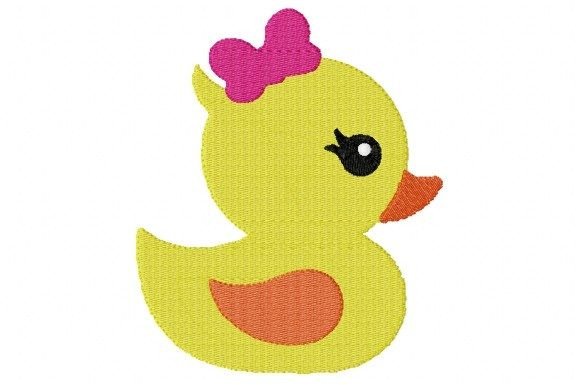
As an experienced embroidery designer who has spent years helping small businesses, Etsy sellers, and boutique brands elevate their product lines, I look at every digital file with a critical eye. It is not enough for a design to simply look cute on a screen; it must translate flawlessly into thread, hold up to wear and washing, and reinforce brand identity. Today, I am reviewing the Duck Girl machine embroidery design. Based on its description as a friendly and playful accent suitable for children’s clothing, this piece offers significant potential for commercial application, but it requires strategic implementation to ensure professional results.
First Impressions: Personality and Visual Appeal
The immediate takeaway from the Duck Girl design is its approachability. The description highlights that it adds a "friendly and playful accent," which suggests a visual style that is warm, inviting, and likely hand-drawn or illustrative in nature. In the world of handmade products and small business merch, this personality is invaluable. It moves away from sterile corporate aesthetics and leans into the charm of artisanal craftsmanship.
For a brand looking to connect emotionally with customers—whether that is a bakery selling kids' party favors, a pet brand launching a new line, or a creative studio offering custom gifts—this design hits the right note. It feels premium yet accessible. However, because it is described as "adorable" and intended for young audiences, designers must be careful not to let the cuteness overshadow legibility. A design that is too intricate can lose its charm when stitched, while one that is too simple might lack the perceived value needed to justify a higher price point. The key here is balance.
Real-World Business Applications
When evaluating a digital embroidery file for commercial use, I always ask: where will this live? The versatility of the Duck Girl design makes it a strong candidate for several high-demand categories in the small business sector.
- Embroidered Patches: This is perhaps the strongest use case. The design’s self-contained nature makes it ideal for iron-on or sew-on patches. These can be sold as standalone accessories or used as branding elements on denim jackets, backpacks, and beanies. A well-executed patch elevates a basic garment into a statement piece.
- Cafe and Bakery Merchandise: For local coffee shops or bakeries aiming to create branded aprons or staff uniforms, this design offers a whimsical touch. Placing the Duck Girl on the chest pocket of a white apron creates a focal point that is both professional and personable. It signals to customers that the business cares about detail and fun.
- Tote Bag Designs: Canvas tote bags are a staple for crafters and eco-conscious brands. Stitching this design centrally or off-center on a sturdy cotton canvas allows the texture of the fabric to complement the softness of the embroidery. It transforms a utilitarian item into a fashionable accessory.
- Children’s Apparel and Baby Goods: As noted in the product description, this design shines on children’s clothing. Think onesies, bibs, and toddler hats. The playful nature resonates with parents who want to dress their little ones in unique, handmade-quality items rather than mass-produced fast fashion.
- Event Merch and Corporate Gifts: Small businesses often need branded giveaways for trade shows or community events. A Duck Girl emblem on a cap or a notebook cover can serve as a memorable keepsake that encourages customer engagement and recognition.
Brand Identity and Customer Trust
Consistency is king in branding. Using a cohesive set of design assets helps build trust. If your brand voice is playful, nurturing, and creative, the Duck Girl design aligns perfectly with those values. It tells a story before the customer even reads your tagline. When executed correctly, this level of attention to visual detail enhances the perceived value of the finished product. Customers are willing to pay more for items that feel thoughtfully designed and professionally made.
Technical Considerations and Potential Pitfalls
While the artistic merit is clear, we must address the technical realities of production. Not all fabrics and surfaces treat embroidery equally. Here are areas where caution is advised:
- Small Patch Sizes: If you plan to scale this design down significantly (under 2 inches), details may become muddy. Fine lines and tiny text can disappear or merge together. Always test at the final production size to ensure clarity.
- Curved Surfaces: Applying this to cap fronts or curved sleeves requires precise hooping techniques. If the stabilizer is not properly managed, the design can pucker or distort. The curvature can also stretch the fabric, altering the proportions of the Duck Girl character.
- High Stitch Density: Check the stitch density of the file. Dense areas can make the fabric stiff and uncomfortable, especially on lightweight materials like baby clothes or sheer fabrics. If the density is too high, consider adding negative space or simplifying the outline during digitizing.
- Fabric Texture and Color: Dark uniforms or heavily textured fabrics like burlap can obscure light thread colors. Ensure there is sufficient contrast between the thread colors and the base fabric. A light pastel Duck Girl on a dark navy apron might get lost unless backed with a contrasting underlay.
- Washing Durability: For items that require frequent washing, such as aprons or children’s wear, the stability of the stitches is crucial. Loose threads can unravel over time. Reinforce high-stress areas and choose durable polyester threads for better colorfastness and strength.
Practical Designer Notes for Production
Before committing to a large run of custom apparel, follow these essential steps to guarantee quality:
- Black and White Test: View the design in grayscale first. This helps identify if the contrast levels are sufficient and if the composition holds up without relying on color alone.
- Check Hoop Size: Confirm that the design fits within your standard hoop sizes. If the design is larger than your machine’s capabilities, you will need to split it or adjust the scale, which can affect the final look.
- Stabilizer Selection: Use the correct type of stabilizer for your fabric. Cut-away stabilizers are generally best for woven fabrics and garments that will be washed frequently, while tear-away may suffice for temporary projects on stable knits.
- Create a Printable Mockup: Before stitching, create a printable mockup for client approval. This allows stakeholders to visualize the design on the actual product without wasting thread and fabric.
- Thread Color Contrast: Inspect the thread palette. Do the colors pop against the chosen fabric? Are they harmonious with your brand’s existing color scheme?
- Commercial Licensing: Most importantly, verify the licensing terms. Ensure you have the right to sell physical products made with this embroidery file. Some digital files are for personal use only.
Final Verdict
The Duck Girl embroidery design is a charming and versatile asset for any small business looking to add a touch of personality to their merchandise. Its friendly aesthetic makes it particularly effective for brands targeting families, creatives, and lifestyle consumers. By paying close attention to technical details like stitch density, fabric choice, and stabilization, you can transform this digital file into a high-quality, profitable product line. Whether used as an embroidered patch, a cap logo, or a tote bag accent, the Duck Girl design has the potential to strengthen your brand identity and delight your customers. Just remember to test thoroughly and confirm commercial rights before you start stitching.