Delicate Red Flower: A Designer’s Review for Real Projects
When I sit down to evaluate a new embroidery design, I am rarely looking for something that simply "looks nice" in a digital preview. As a designer who frequently prepares assets for clients, small business merchandise, and personalized gifts, my primary concern is always execution. How will this behave on the machine? Will it hold up after washing? Does it convey the right mood for the end user? Today, I am putting Delicate Red Flower under that same critical lens. This piece falls squarely into the Single Flowers category of Embroidery, but its potential extends far beyond a simple floral accent.
The premise of Delicate Red Flower is straightforward: it is marketed as high-quality, fun, easy to stitch, and elegant. But in the world of commercial embroidery, "easy" can sometimes mean "lacking depth," and "elegant" can sometimes mean "too sparse." My goal here is to determine if this design bridges that gap effectively for real-world applications, from boutique apparel to home decor items.
First Impressions and Visual Personality
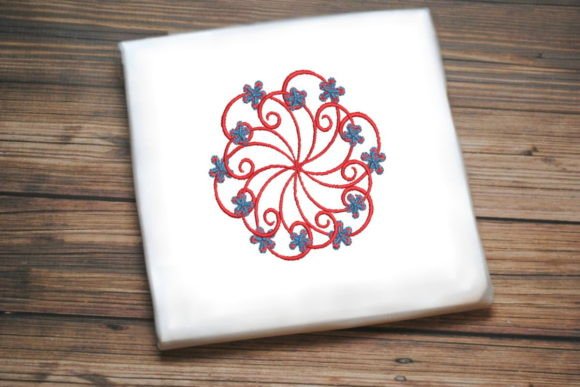
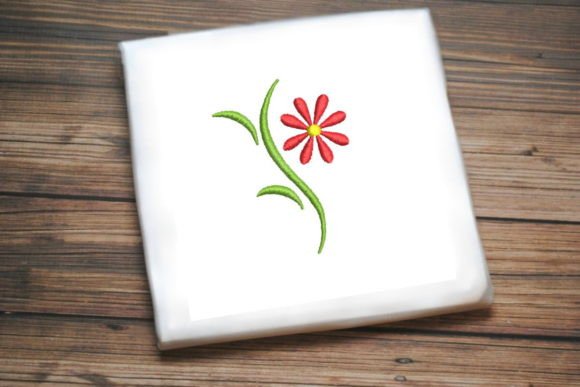
The moment you open the file for Delicate Red Flower, the visual personality is immediately clear. It leans towards the romantic and timeless rather than the bold or modern graphic. The red tones suggest passion, warmth, and classic beauty, making it a versatile choice for various emotional contexts. Unlike some overly complex floral designs that require heavy digitizing to avoid thread breaks, this design appears to rely on clean lines and balanced spacing. This simplicity is its greatest strength, allowing it to function well as a standalone focal point or as part of a larger composition.
The layout feels natural, mimicking the organic asymmetry of a real bloom. This prevents the final product from looking stiff or manufactured. For an Etsy seller or small shop product creator, this organic feel is crucial. Customers today are drawn to handmade aesthetics that feel authentic, not mass-produced. The design’s ability to look "gorgeous" on any fabric, as described in its profile, suggests a thoughtful approach to stitch distribution that adapts well to different material textures.
Real-World Application Scenarios
To truly understand the value of Delicate Red Flower, we need to look at how it performs in specific use cases. Let’s imagine preparing a custom order for a client who wants a personalized gift set. Here is where this design shines:
- Custom Apparel and Sweatshirts: Imagine stitching this onto a cream-colored cotton sweatshirt. The contrast between the soft neutral fabric and the vibrant red flower creates an instant boutique appeal. It works beautifully as a left-chest detail for a subtle touch or centered on the back for a statement piece. The design’s elegance ensures it doesn’t look juvenile, making it suitable for adult wear as well.
- Tote Bags and Canvas Goods: A tote bag design featuring Delicate Red Flower has immense marketability. Whether stitched onto a jute bag for an earthy vibe or a canvas tote for a cleaner look, the design adds a pop of color without overwhelming the utility of the item. It elevates a basic accessory into a fashion statement.
- Baby Items and Nursery Decor: While red is often associated with boldness, a delicate floral interpretation softens the tone significantly. Stitched onto a white onesie or a nursery pillow cover, it becomes tender and sweet. It fits perfectly into the "baby embroidery" niche, offering a gender-neutral yet charming option for new parents.
- Kitchen and Home Textiles: Consider a tea towel or kitchen apron. A single, elegant flower adds a homely, welcoming touch. It transforms a functional item into a decorative one, perfect for holiday gifts or housewarming presents. The design’s simplicity ensures it won’t clash with busy kitchen patterns or stripes.
In each of these scenarios, the design acts as a reliable anchor. It provides enough visual interest to draw the eye but remains refined enough to maintain a professional finish. This balance is what drives customer trust and repeat business for craft business owners.
Technical Performance and Stitch Behavior
From a technical standpoint, Delicate Red Flower appears to utilize a mix of satin stitches for outlines and fill stitches for the petals, potentially incorporating running stitches for fine details like stems or leaves. This combination is standard for high-quality machine embroidery design files, ensuring durability and texture.
However, no design is flawless without proper preparation. The term "delicate" implies that there may be finer elements that require careful handling. When working with such designs, the stitch density must be appropriate for the fabric weight. If placed on a thin, sheer fabric, the tension might pucker the material unless a high-quality stabilizer is used. Conversely, on a thick denim jacket, the design might get lost if the thread colors do not provide sufficient contrast.
This brings us to the importance of thread selection. While the design is titled "Red Flower," the actual visual impact depends heavily on the chosen thread colors. A bright crimson will read differently than a muted burgundy or a dusty rose. Designers should test multiple shades to match their brand aesthetic or customer preference. The versatility of the design allows for this experimentation, making it a valuable asset for creating varied design assets from a single file.
Where Caution Is Required
Even the best designs have limitations. There are specific situations where Delicate Red Flower might not perform optimally:
- Small Hoop Sizes: If the design is scaled down too much, the individual stitches may merge, losing the delicate definition that gives it character. It is best suited for medium to large hoop sizes where the details can breathe.
- Textured or Stretchy Fabrics: On highly textured fabrics like chunky knits, the embroidery may sink into the weave, obscuring the shape. Similarly, on stretchy materials like spandex blends, improper stabilization can lead to distortion during stitching.
- Dense Stitch Areas: If the design includes dense fill areas, it may become stiff and uncomfortable against the skin. This is a consideration for apparel that will be worn directly against the body, such as baby clothes or undershirts.
- Curved Surfaces: While it can work on caps or hats, curved surfaces require precise placement and possibly re-digitizing for optimal results. Flat surfaces like bags or towels are safer bets for consistent outcomes.
Practical Advice for Embroidery Designers
Before integrating Delicate Red Flower into your production workflow, I recommend following these practical steps to ensure success:
- Test on Scrap Fabric: Always run a test stitch on the exact fabric you plan to use. This reveals issues with tension, puckering, or color contrast that are invisible in digital mockups.
- Check Stitch Density: Inspect the design for overly dense areas that might cause needle breakage or thread jams. Adjusting the density slightly can improve the finish significantly.
- Confirm Hoop Size: Ensure your hoop is large enough to accommodate the design without cutting off essential details. Leave adequate margin around the edges for easy handling.
- Use Proper Stabilizer: Match your stabilizer to your fabric weight. Cut-away stabilizers are generally recommended for woven fabrics, while tear-away may suffice for non-stretch items.
- Inspect Small Details: Zoom in on the digital file to check for tiny elements that might not translate well physically. If they are too small, consider simplifying the design or increasing the scale.
- Verify Licensing: If you intend to sell finished products, confirm the licensing terms of the digital embroidery file. Some designs are for personal use only, while others allow commercial sales. Clarity here protects your commercial embroidery business from legal issues.
Final Verdict
Delicate Red Flower is a solid addition to any embroiderer’s library. It offers a blend of elegance and ease that appeals to a broad audience. Its suitability for a wide range of products—from personalized gifts to custom apparel—makes it a versatile tool for creative entrepreneurs and makers.
While it requires attention to detail regarding fabric choice and stabilization, its potential to create high-value, visually appealing finished products is undeniable. By testing thoroughly and applying sound embroidery principles, designers can leverage this design to enhance their brand consistency and customer engagement. It is not just a flower; it is a strategic element that can elevate a simple project into a memorable keepsake.
For those looking to expand their catalog with timeless, feminine, and professional-looking designs, Delicate Red Flower earns a strong recommendation. It delivers on its promise of being fun to stitch and gorgeous to display, making it a worthy investment for both hobbyists and seasoned professionals alike.