Cute Baby Boy Embroidery Review
When I am scouting for a new digital asset to add to my library, I am not just looking for something that looks good on a screen. I need to know how it will translate into thread. As an experienced designer and reviewer, I spend a lot of time evaluating designs for their practical application in real-world projects. Today, I am taking a close look at the Cute Baby Boy design. This piece promises to bring a playful accent to any fabric, but does it hold up under the scrutiny of actual stitching? Here is my honest assessment based on potential use cases for small business owners, crafters, and hobbyists.
First Impressions and Visual Personality
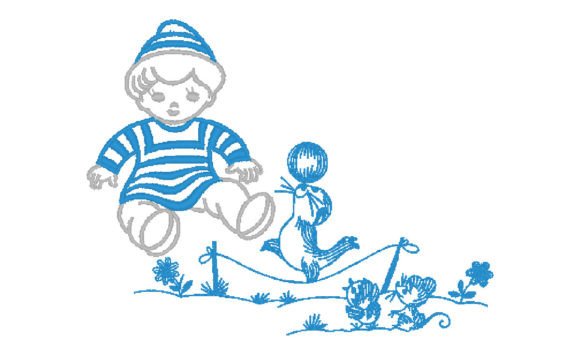
The moment you open this embroidery file, the first thing that strikes me is its approachability. The character depicted is undeniably charming, offering a soft, inviting aesthetic that works exceptionally well for the Boys category without feeling overly masculine or aggressive. It sits comfortably in that sweet spot of innocence and playfulness that parents love. From a design perspective, the layout feels balanced. It is not cluttered with unnecessary details that might get lost during the stitching process, yet it has enough visual weight to stand out as a focal point.
Mood-wise, this design exudes warmth. It is perfect for creating a welcoming atmosphere in nursery decor or adding a touch of joy to everyday wear. The visual personality suggests a product that is meant to be hugged, worn, or held. For those of us who sell handmade goods, understanding this emotional connection is crucial. A design like Cute Baby Boy does not just decorate; it evokes a feeling. That is what turns a simple stitch job into a memorable personalized gift.
Real-World Application: Where Does It Shine?
I often imagine how a design will look when it hits the customer’s hands. Let’s say you are preparing inventory for a baby shower season or stocking your Etsy seller shop for the holidays. How would Cute Baby Boy perform?
Imagine a custom embroidered tote bag for a new mom. Placing this design centrally on a canvas tote creates an instant statement piece. It is sturdy, clear, and visually appealing. Or consider a sweatshirt embroidery project for a toddler. The playful nature of the design pairs beautifully with soft fleece or cotton blends, making it a hit for custom apparel. It also translates well to aprons for little ones learning to cook, or perhaps a set of kitchen towels for a baby registry gift.
For the craft business owner, versatility is key. This design can easily be adapted into an embroidered patch to be ironed onto denim jackets or backpacks. It works wonderfully on pillow covers for a nursery, adding a personalized touch that mass-produced items lack. If you are creating digital product previews or printable mockups, this design offers high recognition value. Buyers immediately understand the theme, which reduces friction in the purchasing decision.
Stitch Quality and Clarity
From a technical standpoint, the clarity of the lines is vital. While the description mentions multiple formats, the success of any machine embroidery design lies in the execution. We must assume the artist has used a combination of satin stitch for outlines to give crisp edges and fill stitch for larger areas to ensure full coverage. The running stitch elements, if present, should be fine enough to add texture without overwhelming the main subject.
The stitch density appears appropriate for general use. It is not so dense that it warps lightweight fabrics, nor is it so sparse that it looks unfinished. This balance is essential for maintaining the integrity of the finished product. When customers receive a garment with poorly executed stitches, it reflects badly on the brand. A clean, well-proportioned design like this helps maintain professional standards.
Where to Exercise Caution
No design is universal, and Cute Baby Boy is no exception. There are specific scenarios where this design might struggle, and knowing these limitations is part of being a responsible maker.
- Small Hoop Sizes: If you are working with very limited hoop space, you may need to resize the design. Be careful when scaling down, as small details can become muddy or merge together, losing the character’s expression.
- Textured and Stretchy Fabrics: Embroidering on highly textured fabrics like terry cloth or thick chenille can obscure the finer details of the design. Similarly, stretchy knits require careful stabilization to prevent puckering. Always test on scrap fabric first.
- Dark Fabrics: Unless you are using a high-contrast thread palette, light-colored details might get lost on dark backgrounds. Consider using a cut-applique technique or a stabilizer base to enhance visibility.
- Curved Surfaces: Applying this to caps or hats requires attention to curvature. Flat designs can look distorted on curved surfaces if not digitized with proper compensation. Check the file for any inherent distortion adjustments.
- Frequent Washing: For items like baby clothes or kitchen linens that will undergo frequent laundering, the durability of the thread and the security of the stitches are paramount. Ensure you are using a proper stabilizer to anchor the threads.
Practical Designer Notes for Implementation
Before you commit this design to a final product, there are several steps every creative entrepreneur should take. First, always test the design on the exact fabric you plan to use. Fabric texture can drastically change the final look. Second, review the thread colors in your software. Digital previews do not always accurately represent thread sheen or color depth. A color that looks vibrant on screen might appear dull in person.
It is also wise to inspect the design in black and white mockups. This helps you evaluate the contrast and composition without the distraction of color. Are there large blocks of similar tones that might blend together? Is the negative space balanced? These questions help refine the visual appeal before the needle even touches the fabric.
Furthermore, confirm the licensing terms. As a small shop product creator, you need to know if you are allowed to sell finished items made from this digital embroidery file. Some licenses restrict commercial use, while others allow it with attribution. Protecting your brand consistency and legal standing is just as important as the artistic quality.
Final Verdict
The Cute Baby Boy design is a strong contender for anyone looking to add a touch of whimsy and warmth to their collection. It fits seamlessly into the realm of baby embroidery and holiday embroidery projects. Its ability to elevate simple items like tote bags and sweatshirts makes it a valuable asset for commercial embroidery ventures.
However, success depends on preparation. By paying attention to fabric choice, stabilizer usage, and thread selection, you can ensure that the final output matches the promise of the design. For the handmade product maker, this design offers a reliable way to create items that resonate emotionally with buyers. It is a practical, aesthetically pleasing addition to any digitizer’s toolkit, provided you respect its technical boundaries. Whether you are designing for a personal gift or building a craft business empire, Cute Baby Boy delivers a polished, professional result that customers will appreciate.