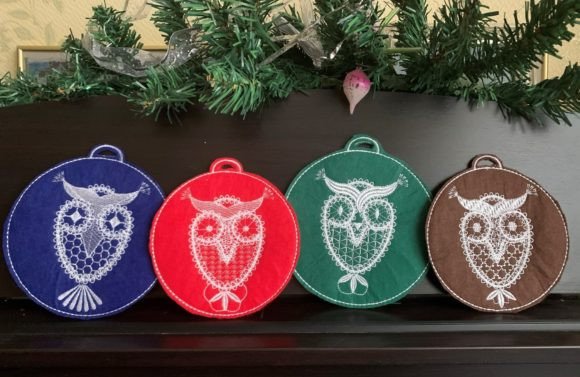
Christmas Owls Embroidery Design Review
As an embroidery designer, I spend a significant amount of time evaluating digital files before adding them to my seasonal collections. The holiday market is competitive, and the difference between a best-selling item and an abandoned listing often comes down to design execution, aesthetic appeal, and practical usability. This week, I am reviewing the Christmas Owls machine embroidery design set. These designs are intended for holiday product creation, ranging from apparel to home decor. Below is my professional assessment of how these files perform in real-world applications for sellers, crafters, and small business owners.
First Impressions: Aesthetic and Emotional Tone
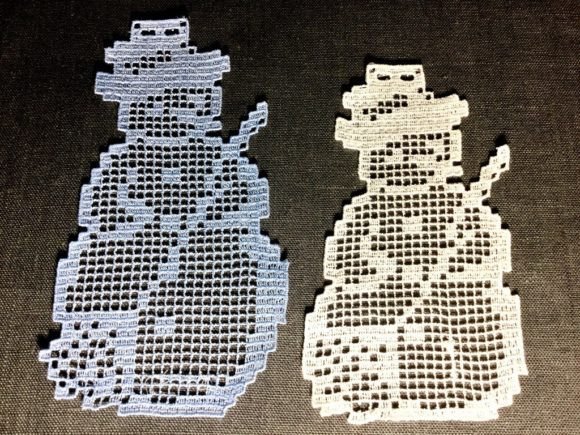
When you first load the Christmas Owls file into your digitizing software, the immediate impression is one of cozy, festive charm. The design draws inspiration from the Battenberg lace pattern, which gives the owlets a distinct, intricate look that stands out from standard pixelated or overly simple holiday motifs. Because each owl is a separate "in a circle" design, they possess a badge-like quality that feels premium and polished.
The emotional tone is playful yet elegant. It avoids being too childish, making it suitable for adult audiences as well as children. For the modern crafter, this balance is crucial. The design feels nostalgic, evoking traditional winter aesthetics, but the clean lines keep it looking contemporary. This versatility allows it to fit seamlessly into various brand identities, whether you are selling rustic farmhouse decor or chic urban holiday gifts. The detail level is high enough to catch the eye on social media thumbnails but not so dense that it becomes difficult to stitch quickly during production runs.
Practical Applications for Seasonal Products
In my experience building holiday shop collections, the most successful items are those that offer tangible value through personalization or utility. The Christmas Owls design is versatile enough to be applied across multiple product categories. Here is how I see these designs performing in specific use cases:
- Sweatshirt Embroidery: Placing a single owl on the chest of a crewneck sweatshirt creates a sophisticated, understated holiday look. Alternatively, clustering three owls in a row across the front can create a bold statement piece perfect for family matching sets.
- Tote Bag Design: The circular nature of the design makes it ideal for canvas tote bags. It frames beautifully against the flat fabric surface. These are excellent impulse buys at craft fairs or as add-on items for online shoppers.
- Kitchen Towel Embroidery: Holiday baking is a major seasonal activity. Embroidering these owls on linen kitchen towels adds a touch of whimsy to the home. Since the design is based on lace patterns, it holds up well against the textured fabric of towels.
- Pillow Cover: For home decor enthusiasts, these designs work wonderfully on throw pillows. They serve as great gift-ready products for housewarmings or Christmas exchanges.
- Embroidered Patch: Because the design is contained within a circle and is not freestanding lace, it can be easily finished with a backing to create a durable patch. These patches can be sewn onto hats, jackets, or backpacks, expanding the product line significantly.
- Baby Items: The cute factor of owls translates well to baby blankets, burp cloths, and onesies. Parents love unique, non-cliché holiday themes for their infants.
Performance in Selling Scenarios
From a marketing perspective, the Christmas Owls design offers several advantages for Etsy sellers and small shop owners. In terms of visual recognition, the lace-inspired pattern provides a unique selling proposition (USP) that differentiates your shop from competitors using generic clip-art style designs.
These designs are highly effective for creating gift bundles. You can pair a sweatshirt with a matching kitchen towel or a tote bag with a pillow cover, all featuring the same owl motif. This encourages higher average order values. Furthermore, because the owls are separate designs, you can mix and match colors to create limited edition drops. For example, offering a "Red & Green" classic set and a "Navy & Gold" elegant set allows customers to choose their preferred aesthetic.
Social media previews benefit greatly from the intricate details of the Battenberg pattern. When photographed under good lighting, the texture of the stitches pops, increasing engagement rates. Printable mockups featuring these owls on neutral backgrounds also tend to perform well in digital advertising campaigns.
Critical Considerations and Care Areas
While the design is strong, there are specific areas where caution is required to ensure a high-quality finished product. As a designer, I always advise testing before mass production.
Fabric Texture and Thickness: Be mindful when stitching on thick materials like heavy fleece or terry cloth. The needle penetration might be difficult, and the stabilizer may need to be more robust. Similarly, dark fabrics require careful thread selection to ensure visibility. If the fabric is black, white or metallic threads will stand out, but pastel threads might get lost.
Stitch Density and Hoop Size: Always check the stitch density in your software. High-density areas can cause puckering if the correct stabilizer is not used. Cut-away stabilizers are generally recommended for stretchy garments like sweatshirts to prevent distortion over time. For woven items like aprons or table linens, tear-away stabilizer may suffice, but hooping tension must be precise.
Metallic Thread and Small Details: While the design looks elegant, attempting to stitch it with metallic thread on very small hoop sizes can lead to breakage or fuzziness. Metallic threads are less forgiving than rayon or polyester. If you plan to use specialty threads, run a test on scrap fabric first. Also, avoid placing the design near edges where the hoop clamps might crush the fabric texture.
Commercial Licensing: Before selling any finished products, confirm the commercial licensing terms of the digital embroidery file. Ensure you have the right to sell physical goods made from the design. This protects your business and maintains customer trust.
Designer Notes for Optimal Results
To get the best results from the Christmas Owls machine embroidery design, follow these practical steps:
- Test Thread Colors: Experiment with both light and dark fabric combinations. Traditional reds and greens work well, but consider modern palettes like navy, cream, and gold for a more upscale look.
- Check Stitch Density: Zoom in on the digitized file to inspect the stitch angles. Properly angled stitches lay flatter and look more professional.
- Use Proper Stabilizer: Match the stabilizer to the fabric weight. Heavy fabrics need heavy stabilizers; light fabrics need lightweight support.
- Create Realistic Mockups: Use high-quality digital mockups to visualize the final product. This helps in setting accurate customer expectations.
- Review Small Details: After stitching, examine the fine lace details. If any areas look sparse, consider adding a second pass or adjusting the tension.
- Plan Matching Palettes: Create a cohesive color story for your entire holiday collection. Consistency builds brand recognition.
In conclusion, the Christmas Owls design is a strong addition to any seasonal portfolio. Its blend of traditional lace aesthetics and modern applicability makes it a versatile tool for creators. By paying attention to fabric choices, stabilizers, and finishing techniques, you can produce high-quality handmade gifts that resonate with holiday shoppers. Whether you are an experienced embroiderer or just starting your Etsy journey, this design offers the potential for beautiful, profitable seasonal products.