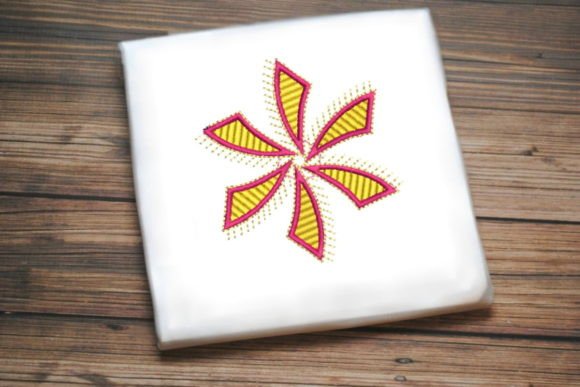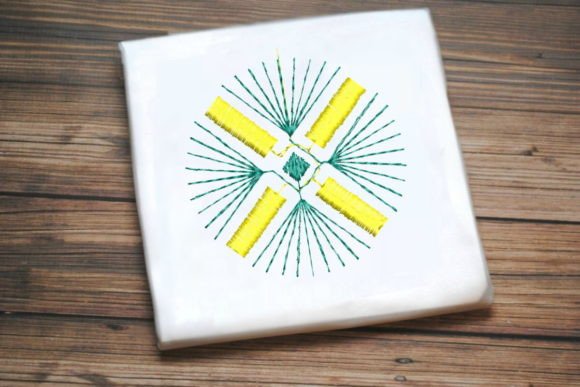
Abstract One Line Flower Review
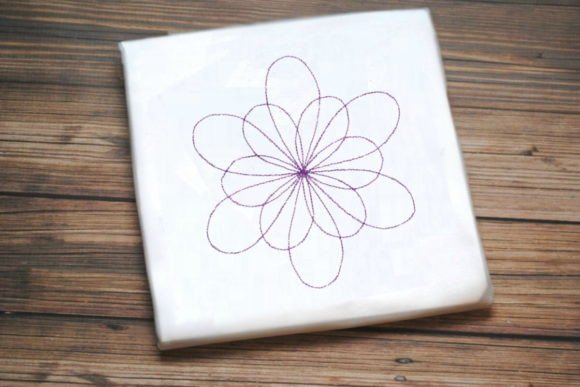
As an embroidery designer who spends weekends setting up booths at craft fairs and managing an online handmade shop, I know that the difference between a design that sits on a shelf and one that sells out by noon comes down to visual impact and production practicality. When I first looked at the Abstract One Line Flower, my immediate reaction was one of relief. In a market saturated with overly complex florals and dense, heavy patterns, this design offers something refreshingly modern and clean. It is described as fun, easy to stitch, and elegant—a combination that is rare to find in a single machine embroidery design. Today, I am breaking down exactly why this piece belongs in your production queue and how it can elevate your booth display.
First Impressions: Modern Elegance Meets Market Appeal
The term "Abstract One Line" suggests a minimalist aesthetic, which has been trending heavily in home decor and fashion for the past few years. From a seller’s perspective, this style is incredibly versatile. It does not scream for attention with loud colors or chaotic shapes; instead, it whispers sophistication. When stitched onto natural fabrics like linen, cotton canvas, or unbleached muslin, the Abstract One Line Flower reads as premium. It feels less like a mass-produced sticker and more like a curated boutique item.
This design fits perfectly into the "modern farmhouse" or "scandinavian minimalist" niches that dominate platforms like Etsy and Instagram. It is not cute in a childish way, nor is it rustic in a distressed sense. It is decorative, soft, and stylish. For customers browsing a craft fair table, this kind of understated beauty often stops them from walking past because it looks expensive but approachable. It allows the buyer to imagine how easily it would complement their own home or wardrobe without clashing with existing decor.
Product Versatility: Where This Design Shines
The true test of any embroidery file is its adaptability. Can it work across multiple product categories? With the Abstract One Line Flower, the answer is a resounding yes. Here is how I envision this performing on specific craft fair products:
- Tote Bags: A tote bag design featuring this flower works beautifully as a small chest-level accent or a large central focal point. Because the line art is continuous, it flows well on the flat surface of canvas totes. It adds personality without overwhelming the utility of the bag.
- Aprons and Tea Towels: For kitchen items, this design strikes the right balance. On an apron, it serves as a charming pocket detail. On a tea towel embroidery project, the clean lines contrast nicely against textured cotton waffle weaves, provided you choose thread colors that pop against the fabric background.
- Caps and Headwear: Embroidering on curved surfaces can be tricky, but abstract line art is forgiving. The Abstract One Line Flower likely maintains its integrity even on the curved front panel of a dad hat or structured cap. It looks professional and branded, perfect for selling to younger demographics.
- Patches and Pouches: If you produce embroidered patches for denim jackets or backpacks, this design is ideal. Its simplicity means it won’t get lost in the border stitching. Similarly, on small fabric pouches used for makeup or tech accessories, it adds a touch of elegance that justifies a higher price point.
- Pillow Covers: For home goods, placing this flower in the corner of a pillow cover creates a balanced, asymmetrical look that interior designers love. It elevates a basic throw pillow into a statement piece.
Production Practicality and Batch Efficiency
When you are preparing for a weekend market, time is money. You need designs that stitch quickly and reliably. The description notes that this design is "fun and easy to stitch." In industry terms, this usually implies lower stitch counts and simpler jump trims. This is crucial for batch production. If you can stitch twenty tote bags in the time it takes to stitch five highly detailed portraits, your profit margins improve significantly.
Furthermore, the minimalist nature of the Abstract One Line Flower makes it highly repeatable. You can create variations by simply changing the thread colors or scaling the size. A pastel pink version appeals to spring markets, while a black-on-black tonal version might sell better in urban boutiques. This flexibility allows you to keep your inventory fresh without needing new digitizations every season.
Photography and Online Presentation
For the Etsy seller or anyone selling via social media, photography is half the battle. Abstract line art photographs exceptionally well because it has high contrast and clear geometry. It looks crisp in close-up shots and stands out in flat-lay compositions. When creating a printable mockup for your listings, this design will render cleanly, ensuring that what the customer sees online matches the physical product. It reduces returns due to "not as described" issues because the simplicity leaves little room for misinterpretation.
Visual Appeal and Customer Attention
In a crowded booth, clutter kills sales. Customers are overwhelmed by too many choices. A design like the Abstract One Line Flower acts as a visual anchor. It is clean enough to allow other products on the table to breathe. It signals quality and intentionality. Buyers often associate clean, precise stitching with high-end craftsmanship. By using this design, you are subtly communicating that your brand values precision and modern aesthetics.
Crucial Designer Notes for Production
Before you rush to print your labels, there are several technical considerations to keep in mind. Even the best design can fail if executed poorly.
- Test on Scrap Fabric: Always run a test stitch on the exact fabric you plan to sell. Fabric texture matters immensely. A smooth sateen will show the line art differently than a rough burlap. Check how the needle interacts with the weave to avoid puckering.
- Check Stitch Density: While the design is abstract, ensure the stitch density is appropriate for the fabric weight. Too much density on thin fabric will cause distortion. Too little on thick fabric may result in poor coverage.
- Thread Contrast: Choose your thread colors carefully. Low-contrast threads (like beige thread on cream fabric) can look muddy in person, even if they look good in a digital preview. High contrast ensures the design is legible from three feet away at a craft fair.
- Hoop Size and Stability: Confirm the required hoop size. If the design is large, you may need a multi-hooping technique, which increases production time. Ensure you use the right stabilizer to prevent shifting during the stitching process.
- Commercial Licensing: This is non-negotiable. Before selling finished products, verify that you have a valid commercial license for this digital embroidery file. Selling unauthorized designs can lead to legal issues and account bans on platforms like Etsy.
- Inspect Details: Look closely at the corners and curves of the line. Are there tiny, isolated stitches that might break easily? If so, consider slightly enlarging the design to ensure durability in everyday use.
Final Verdict
The Abstract One Line Flower is a smart addition to any small shop product line. It bridges the gap between artistic expression and commercial viability. It is elegant enough for high-end gifts yet simple enough for quick, profitable production runs. Whether you are crafting commercial embroidery pieces for local boutiques or building your brand identity on handmade product listings, this design delivers strong visual appeal and reliable performance. Just remember to test thoroughly, license correctly, and let the clean lines do the talking. Your customers—and your bottom line—will thank you.